
FF&E Lead Times for Commercial Projects: Why Your 2026 Timeline Is Already Tight
If you need FF&E installed by December, now is the time to submit your spec package. Not next month. Not after the next client meeting. Now.
The spec package is finalized, the client has signed off, and procurement feels like it should take a few months. Then the real math lands: 14 weeks of lead time on seating. 18 on casegoods. 12 on custom drapery. Layer in pricing, PO processing, shipping, warehouse receiving, inspection, and a coordinated install, and the calendar gets tight fast.
Designers who are meticulous about specification consistently underestimate how long procurement takes to execute. That gap between expectation and reality costs them timelines, client trust, and sometimes their margins.
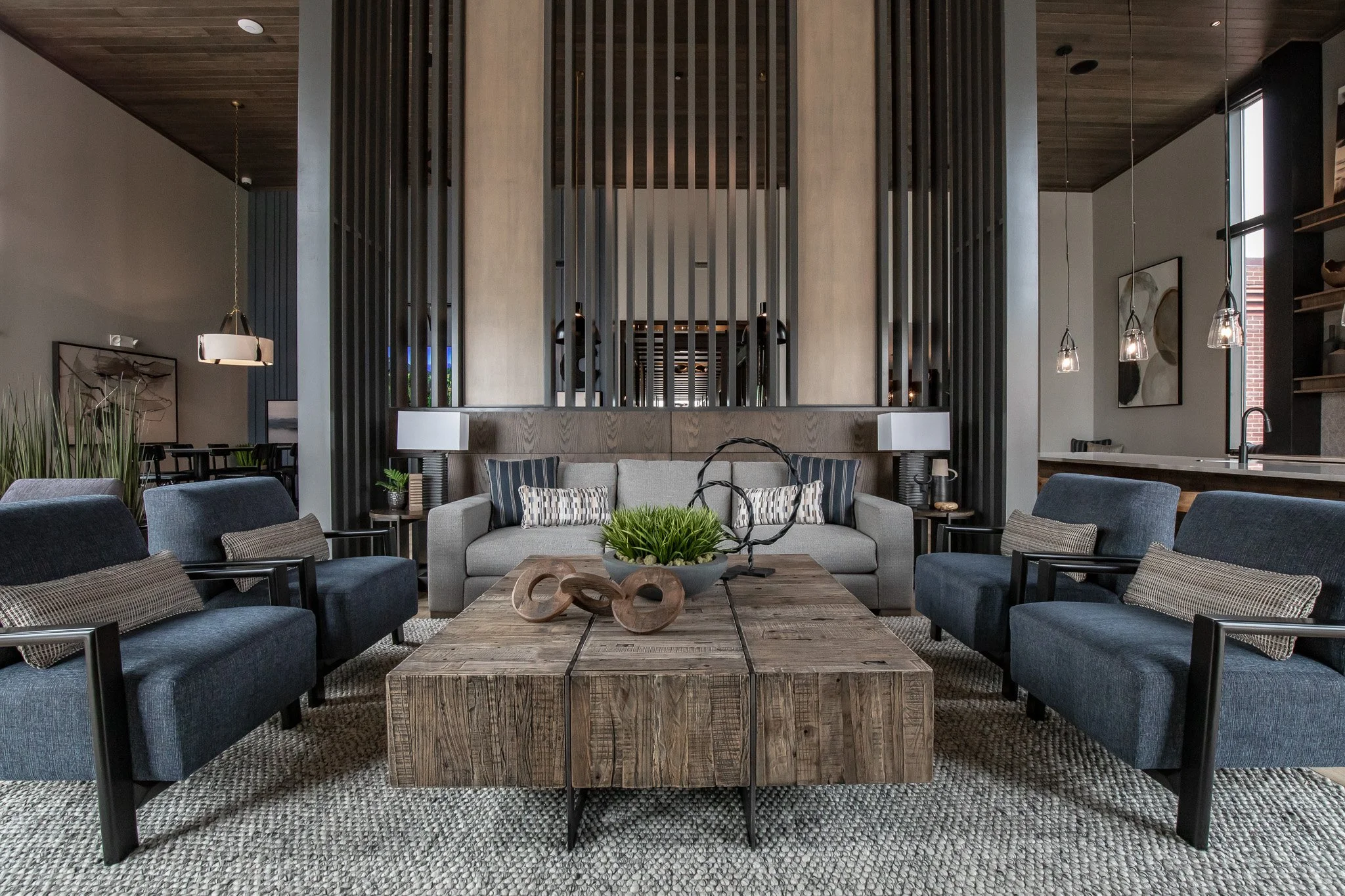
The Real Numbers
For commercial FF&E projects, the window from purchase order to warehouse delivery typically runs 3 to 9 months. That range depends on project scale, product mix, and how many custom or made-to-order items are in the specification. Install coordination adds time on top of that, depending on site readiness, GC scheduling, and project complexity.
Here's where that time goes. Pricing and PO placement is the first phase, and a typical quote turnaround runs 2 to 4 weeks. After that, manufacturing lead times vary widely by manufacturer, product type, and whether you're specifying COM fabrics. Freight and logistics layer on additional time, as does warehouse receiving, inspection, inventory management, and any required assembly. Each of those phases carries its own variables, and they stack. Then installation still needs to be scheduled and coordinated with the GC, the designer, and the site.
Add those phases together and you're looking at 3 to 9 months of production and logistics time before install day is even on the calendar.
Why the Gap Exists
Most designers spec with precision. They know their materials, their manufacturers, their finish palettes. But procurement timelines aren't part of the design curriculum, and they shift constantly. A manufacturer that quoted 8-week lead times last year may be running 14 weeks now. Supply chain disruptions, raw material shortages, and labor constraints at factories have made "standard" lead times a moving target since 2020.
The other factor is less obvious: how many handoffs are involved. When pricing, purchasing, warehousing, and installation are handled by separate vendors, each transition adds days or weeks of lag. An order sits in a queue. A shipment arrives at a warehouse that wasn't expecting it for another week. An install crew shows up without the right floor plans. Every gap between vendors is a gap in your timeline.
What Happens When You Start Late
The consequences compound fast. A 4-week delay in PO placement doesn't push your install back by 4 weeks. It pushes it back by 4 weeks plus whatever scheduling conflicts that creates with the GC's punchlist, your install crew's availability, and your client's opening date.
We've seen projects where a late procurement start forced the designer to accept substitutions on key pieces because the original specs couldn't ship in time. The client approved one thing and received another. That's a hard conversation, and one that erodes trust quickly.
The stakes vary by project type, but the pressure is real across all of them. Whether it's a new construction, renovation, or CapEx improvement project, there are often hard deadlines tied to investor commitments, advertised grand openings, or funding cycles. Every week a new restaurant, hotel, or senior living community sits empty waiting for furniture is a week of lost revenue. For senior living, that translates directly to lease-up velocity. For hospitality, it's rooms that aren't generating nightly rates.
Renovation and capital improvement projects carry their own urgency. Senior living communities and private clubs working within annual improvement budgets often face fiscal year deadlines that are every bit as rigid. A delayed install doesn't pause operations the way it does with new construction, but it does disrupt programming, member experience, and the board's confidence in the project timeline.
Across every project type, the FF&E isn't a finishing touch. It's the thing standing between construction completion and revenue.
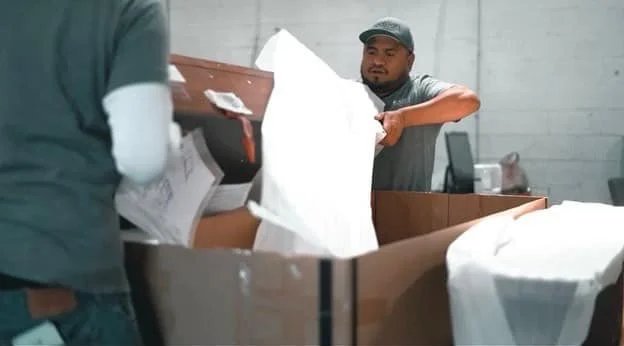
One Team, One Timeline
The procurement model matters here. When one partner manages pricing, purchasing, vendor coordination, warehousing, receiving, inspection, assembly, and installation, the timeline compresses because there are no gaps between handoffs. Red Pen tracks every order from PO to delivery. If a vendor acknowledgment comes back with a lead time that threatens the install date, our team flags it immediately and presents options while there's still time to pivot.
All goods ship to Red Pen's warehouse. Our team inspects and inventories every item as it arrives, assembles what needs assembling, and resolves quality issues before install day. The designer doesn't find out about a damaged dining chair when the truck pulls up to the site. They find out weeks earlier, when there's time to reorder.
On install day, one crew handles furniture placement, art hanging, and drapery installation. A Red Pen agent is on-site coordinating and referencing your floor plans. The designer shows up to stage and style, which is where their time has the highest ROI.
The Q1 and Q2 Window Is Open
If you have a project installing in the second half of 2026, Q1 and Q2 are the window for locking in pricing, confirming lead times, and getting POs placed. That applies whether you're opening a new property, wrapping a renovation, or executing against a capital improvement budget.
Waiting until summer to start procurement on a fall install means you're building in risk at every stage. The closer you get to year-end, the tighter freight and warehouse capacity become across the industry.
Red Pen works as a full-service or à la carte FF&E purchasing agency, depending on what your project needs. Whether you want us to manage the entire procurement lifecycle or step in at a specific phase, the scope flexes to fit.
Book a consultation with the Red Pen team to map your project's procurement timeline and lock in your 2026 install dates. You'll walk away with a clear picture of where your project stands, whether you work with us or not.
Ready to move on a specific project? Submit a bid request and we'll get your timeline started.